
Over the last decade, interior design has shifted away from being primarily about aesthetics and trends towards creating spaces that genuinely support how people live, work and feel in their homes. The focus today is far more human-centred, practical and value-driven than it was ten years ago. Here are some of the biggest developments we’ve noticed.
From trend-led to lifestyle-led design.
A decade ago, many interiors were influenced by fast-moving trends, from feature walls, statement colour to highly styled “show-home” finishes. Today, homeowners are taking a more considered approach, favouring interiors that balance style with longevity. Rather than following short-terms trends, the focus has shifted towards timeless layouts, quality materials and flexible spaces that adapt to changing lifestyles while remaining relevant for years to come.
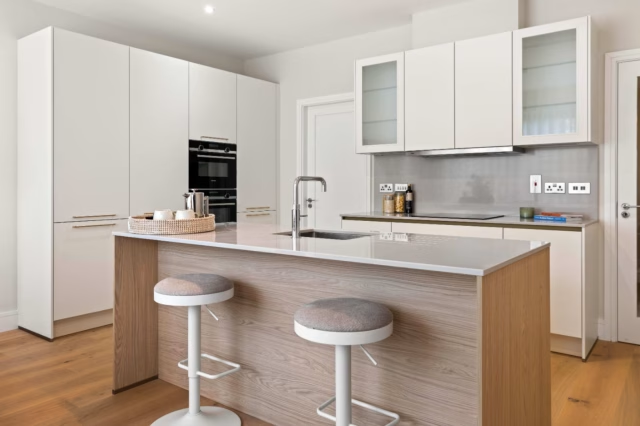
Open plan evolves into zoned, multifunctional spaces.
Open-plan living dominated the early 2010s, particularly in new homes. While openness is still valued, the last few years have seen a move towards zoning within open spaces. Kitchens, dining and living areas are now subtly defined through joinery, furniture layout, flooring changes or sliding partitions. This reflects a need for homes to support multiple activities simultaneously, including relaxing, entertaining, working from home and family life.
The impact of working from home.
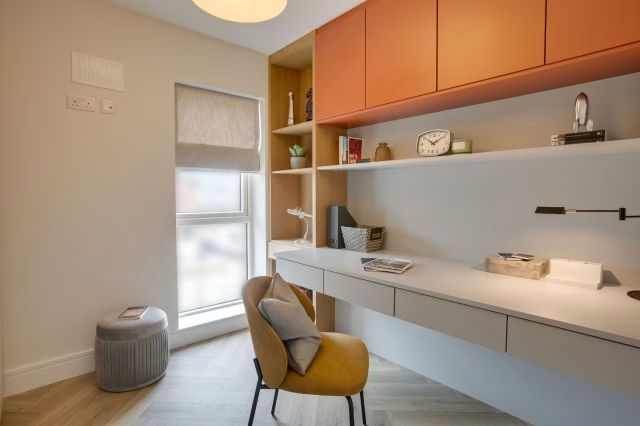
One of the most significant shifts has been the integration of work-from-home spaces. Previously, dedicated home offices were often considered a luxury; today, many homeowners expect practical and comfortable areas where they can work from home. Interior layoutsallow for dedicated desk areas, improved lighting, acoustics, power and data points. This has changed how we think about space planning in homes.
A move towards sustainability and responsible design.
Sustainability has gone from being a niche consideration to an increasingly important design principle. Over the past decade, there has been increasing awareness of the environmental impact of materials, finishes and energy use. This has influenced everything from flooring and paint choices to lighting, appliances and insulation. Natural, recycled and low-toxicity materials are now actively sought after, and energy efficiency is considered part of good design, not an optional extra.
Natural materials and calmer colour palettes.
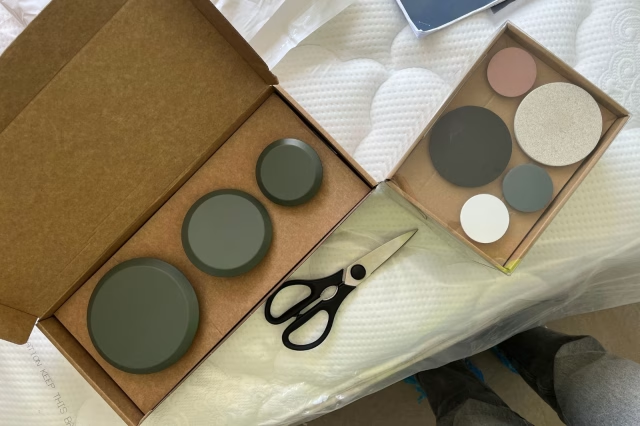
Interior colour schemes have softened considerably over the last ten years. Cool greys and high-contrast schemes have given way to warmer, more natural palettes inspired by the outdoors – soft neutrals, earthy tones, timber, stone and textured fabrics. This shift reflects a broader desire to create calm, restorative environments at home.
Greater emphasis on overlooked spaces.
Areas that were once purely functional – hallways, utility rooms, pantries and storage spaces – are now being designed rather than treated as afterthoughts. Thoughtful lighting, joinery and finishes in these spaces improve day-to-day living and contribute to an overall sense of quality and cohesion throughout the home.
Technology becomes seamlessly integrated.
Technology was previously more likely to be considered later in the design process. Today, it is quietly embedded. Smart lighting, heating controls, appliances and integrated charging solutions are designed to be intuitive and unobtrusive, enhancing comfort and efficiency without dominating the aesthetic of the home.
Personalisation over uniformity.
Finally, there has been a clear move away from uniform interiors towards homes that feel more individual and personal. Buyers increasingly value bespoke elements, flexible layouts and designs that allow them to express their own lifestyle rather than fitting into a one-size-fits-all interior scheme. This approach helps create homes that feel more personal, comfortable and suited to the people who live in them.